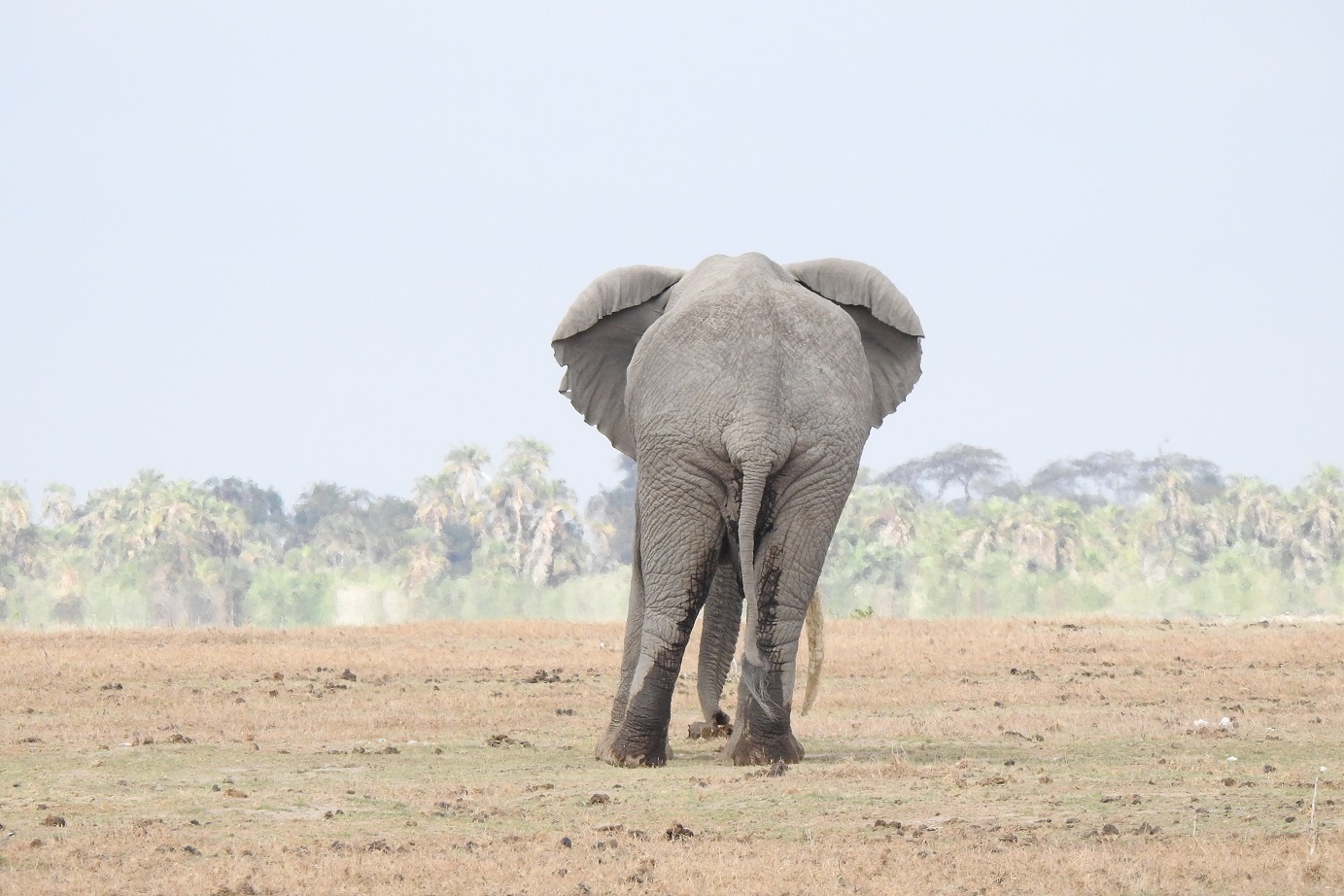
I would like to think that we can do something specific and concentrate on one issue in Kenya in 2025. The last 25 Big Tuskers of East Africa namely Kenya.
We will use this website called to promote and run the project.
I am looking for a name for the updated website! Need some ideas to flow.
Michael the Magnificent will be the focus and we met Michael in Amboseli in September 2022:
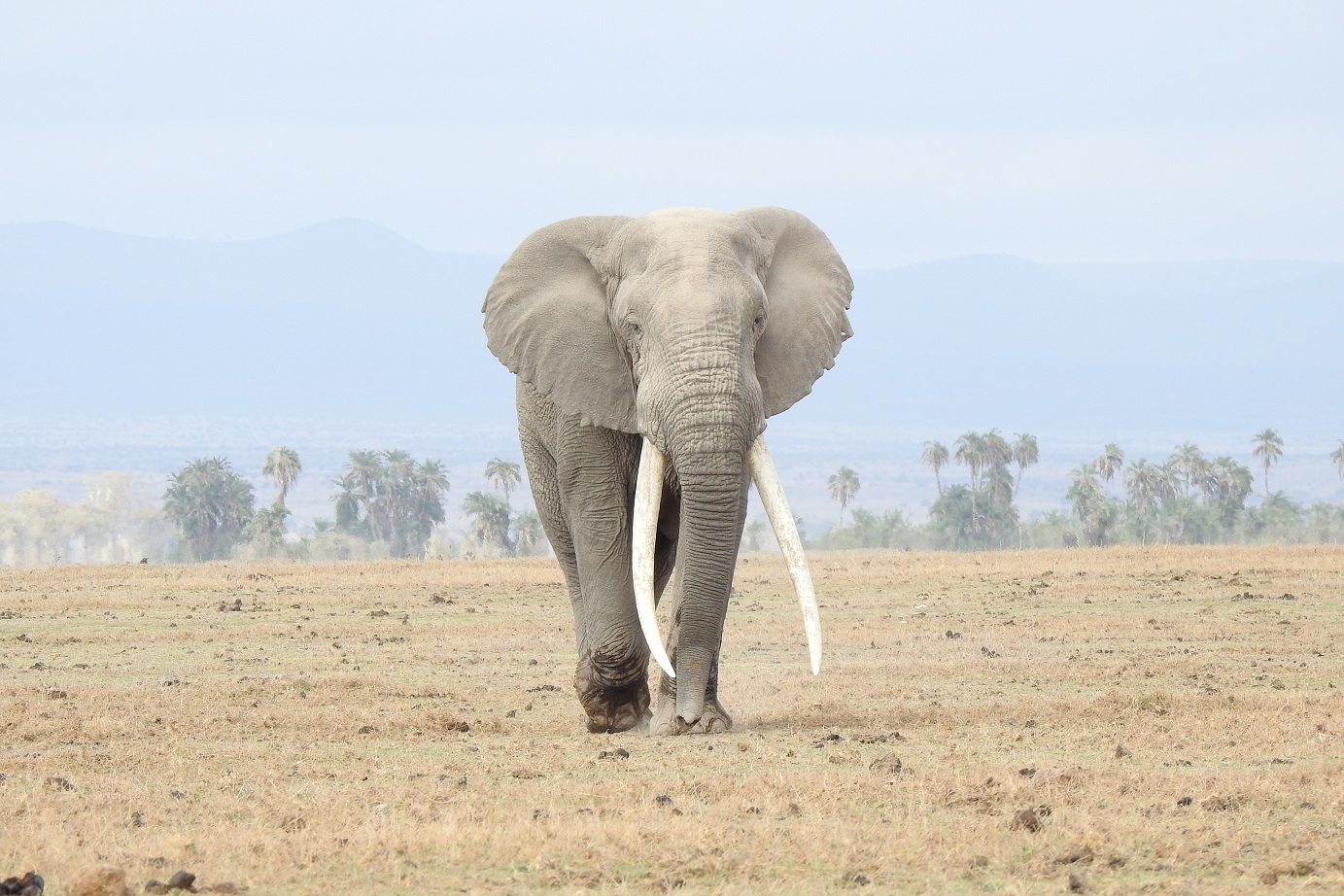
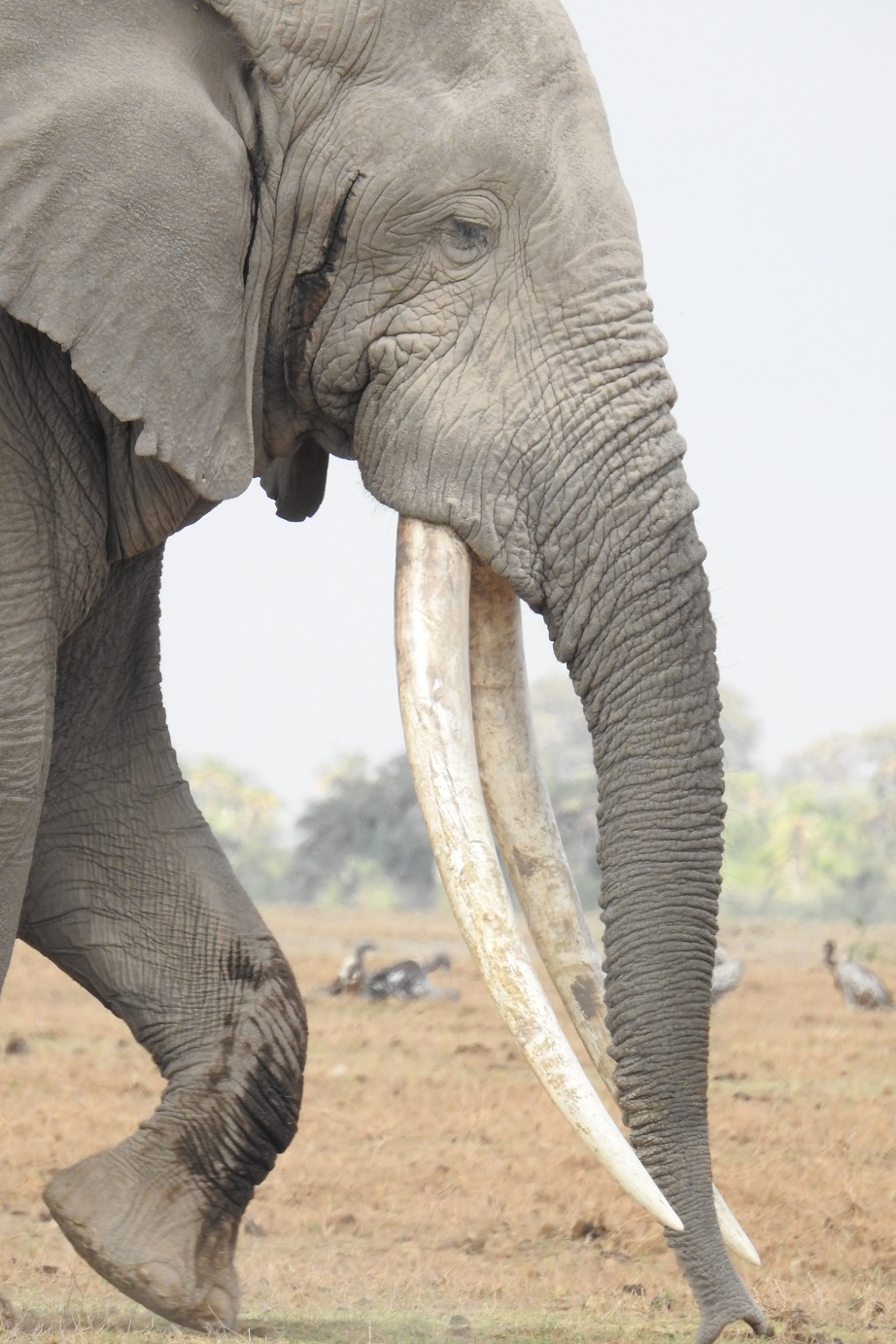
MAGNIFICENT MICHAEL
From the Tsavo Trust.
It seems that Michael roams between Amboseli and Tsavo:
Tsavo Trust Big Tusker Project.
Magnificent Michael, son of Mabel, born in 1991. He was named by a donor to the Tsavo Trust, when he was three years old and that person has been able to follow him for almost 30 years.
My initial idea is to drive it via the Internet and crowd funding or Rotary clubs and Rotary Districts becoming involved. I will also garner the support of my Rotary mates in Kenya.
Plenty of ideas on how to make it work and here are several videos:
ELEPHANTS IN AMBOSELI by DAVID YARROW
This is the video below that we used in 2014 to promote Wild Life Direct and their hands Off Our Elephants campaign in Ganmain:
ACTION PLAN
How we go about it and what we do will be what we need to work out and as always. We will do what we did before, for the Orphan Rescue Kits, but this time using the Internet to its full power.
The initial step would be to decide on what is needed most to create the awareness for the concept This will be based on communicating with possible stakeholders in Kenya.
Once we have established where best to target our project, we will need to get Rotary International Districts and Clubs involved.